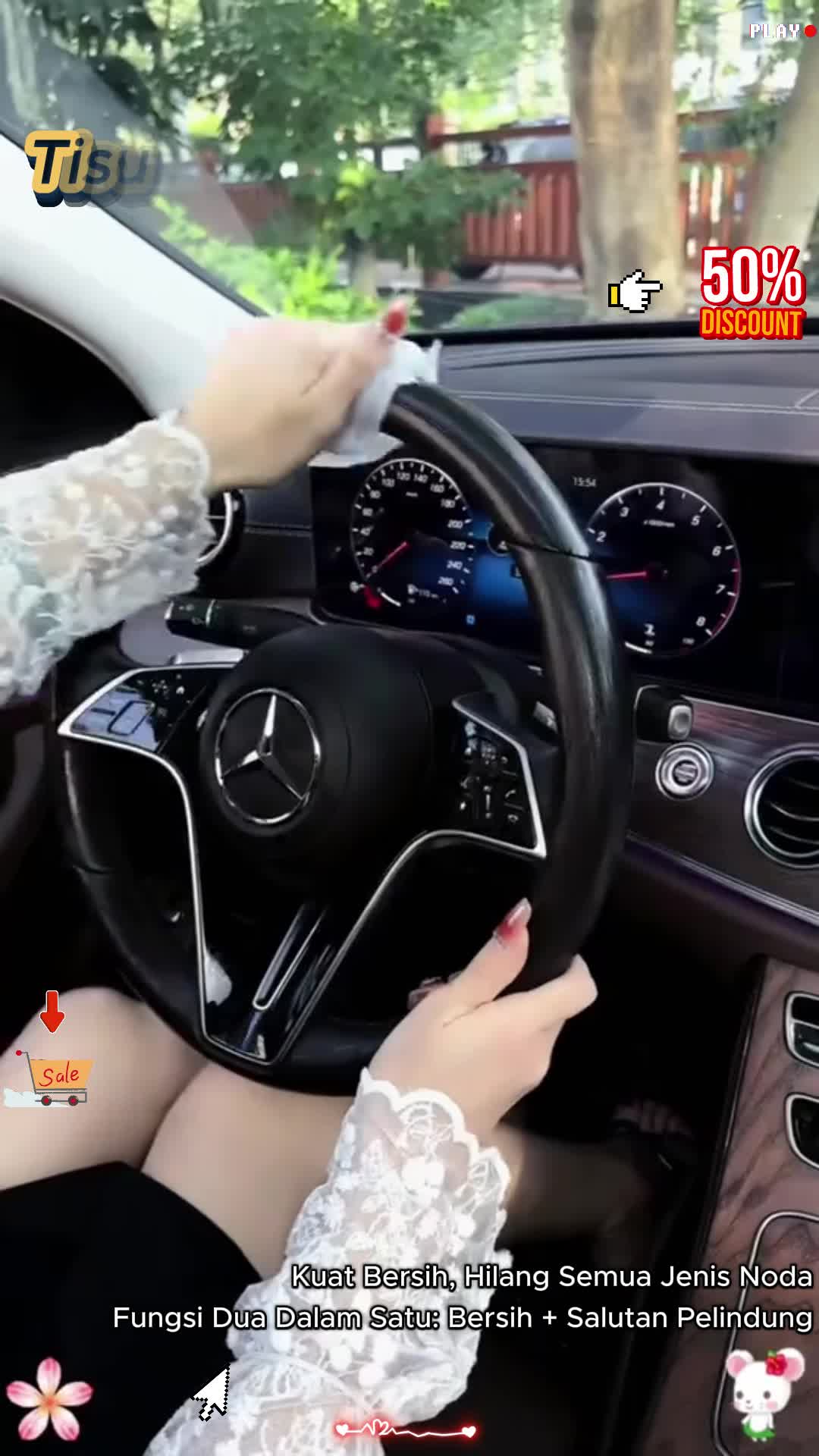
@hikilonkit_: i hate you#osu #osugame #осу #sad #fyp

hikilonkit_
hikilonkit_
Open In TikTok:
Region: UA
Thursday 06 November 2025 13:34:49 GMT
48297
1834
55
226

Music

Download

Comments

19.02g
￴ ￴￴￴￴￴ ￴￴￴￴￴￴ ￴￴ ￴￴ ￴￴ ￴ :
2026-01-08 03:59:54
37
qwerzzix09
𝓺𝔀𝓮𝓻𝔃𝔃𝓲𝔁 :
lazer or stable?
2026-03-01 08:46:36
0
vcbannedgf
wqxyrs :
name map?
2026-01-15 13:24:05
2
frank3nst1n
мыло :
песню дайте качает прост
2025-11-29 21:59:56
14
aliment__
. :
скинь свой скин
2025-11-06 19:23:34
1
kwwer09
𑁍┊SCX :
красава
2025-11-06 15:29:46
1
remakespirit
osu rassian? :
прошел этот уровень) только ускорен на 1.5x + усложнение игры, тьма и то что кнопки меньше)
2026-06-16 22:03:02
0
koteczek_okruszek
jebany jeleń :
name skin?
2026-04-23 18:11:02
1
userjwm8q7zwb2
user35435339892 :
77 акку✌️
2026-03-01 21:51:07
0
hayzentdt
depre??ed ximik :
играл ез карта
2026-01-22 07:35:50
1
notlongofficial
not long :
как оно крутит спинер
2026-02-21 17:49:33
2
novikovnikita81
sonogg :
как игра называется?
2026-02-08 15:17:23
0
void_unitestate
Void :
Почему ререгает
2026-02-13 12:54:24
1
fonch3x
FONch3x :
как скин называется?
2026-02-22 17:57:28
0
nik_fish4
nik_fish𒉭 :
Ну ка мапу пж
2025-11-21 22:04:09
0
yana_9069
♡ :
песня шикарная, можно название
2026-03-30 06:56:34
0
makeg553
makeg :
Помогите пожалуйста как сейчас скачать нормальную осу а не лазер?
2026-01-15 17:38:05
2
r3fleks_vera
REFLEKS :
да еслиб у меня столько фпс в осе было бы,я бы лучше играл😶‍🌫️
2026-03-06 11:40:01
0
user627966503
чепух :
как скин назввается где скачать
2026-02-15 17:21:52
0
zhorikk_f
осер :
на ГП играешь?
2026-02-09 13:41:09
0
ihateyouxoxoxoxotf
dbd larper :
got perfect store s in the map it is realy good
2026-07-06 15:44:08
0
xrecorder16380
:-_+_4G_+_-: :
Молодец чуть выше среднего 👍
2026-02-21 10:30:39
0
him740452
him🙏 :
link pls
2026-04-26 18:14:53
0
genefer58
🌸genefer🌸 :
Как с 5дигитов импрувнуться?
2026-02-15 17:15:20
0
xrilsix
X RILSI X :
звук??
2025-11-28 16:58:55
0
To see more videos from user @hikilonkit_, please go to the Tikwm homepage.

Other Videos

Antanas Sniečkus was a steadfast revolutionary who, from his youth, devoted himself to the cause of the working class and the liberation of his homeland from both foreign domination and domestic bourgeois tyranny. Born on January 10, 1903, in a peasant family in Telšiai County, Sniečkus grew up witnessing firsthand the contradictions of rural life under capitalism. Though his family was relatively well-off by peasant standards, his father's early death in 1914 left a lasting impact. During World War I, Sniečkus was displaced to Voronezh, where he continued his education among the children of war refugees. It was there that his political consciousness began to sharpen. By 1917, even before the October Revolution, the young Sniečkus was already a sympathizer of Bolshevism, influenced by underground Marxist circles and youth organizations advocating socialist transformation. Returning to Lithuania in 1918 at only 15 years old, which was still under German occupation, he did not retreat to a quiet life. Instead, he pursued technical training, all while deepening his commitment to the revolutionary cause. In 1920, at just 17 years old, he formally joined the Communist Party of Lithuania, an act that defined the rest of his life. He threw himself into party work: distributing literature, organizing cells, and building networks in the underground. Repression was immediate. In 1921, he was arrested and imprisoned for his activism. When the threat of a military court loomed, the Party smuggled him to Soviet Russia, where he studied at Smolensk State University and later the Plekhanov Institute of Economics in Moscow. But Sniečkus did not retreat to academia; he remained active in the Lithuanian section of the Comintern, helping publish and distribute illegal revolutionary materials destined for the workers of Lithuania. Following the coup of 1926, which overthrew the elected left-wing government and installed the Smetona dictatorship, Sniečkus returned to Lithuania at great personal risk. Many of his comrades had been arrested, tortured, or shot. He quickly rose to leadership, eventually becoming a member of the Communist Party Central Committee at 23 years old. He worked tirelessly in the underground against fascism, capital, and imperialism during this time. In 1930, he was again arrested, this time sentenced to 15 years by a military court. He endured three brutal years in prison before being freed in a prisoner exchange. Even in exile, he remained at the heart of the international communist movement, representing Lithuania in the Executive Committee of the Comintern, training cadres, and participating in high-level strategy. Undeterred, Sniečkus re-entered Lithuania in 1936 to continue the underground struggle. Despite constant surveillance and danger, he became the First Secretary of the Lithuanian Communist Party, leading resistance against the reactionary regime. In 1939, he was arrested yet again and sentenced to eight years in prison, a sentence he would not complete. In June 1940, with the collapse of the Smetona regime and the rising revolutionary tide, Sniečkus was freed as the people reclaimed their country. After his release, he was appointed Director of the State Security Department, helping secure the revolution from sabotage and counterrevolution. In August 1940, he was formally elected First Secretary of the Central Committee of the Communist Party of Lithuania, an appointment later affirmed by the Communist Party of the Soviet Union. Sniečkus' life is the story of unwavering commitment: from youthful agitation to underground leadership, from the Comintern halls in Moscow to the prison cells of the Smetona dictatorship. At every stage, he stood as a vanguard of the proletariat, guiding Lithuania on its path to socialism with clarity, courage, and unshakeable Marxist conviction. #lietuva #lithuania #foryoupage #trend  #fyp
Antanas Sniečkus was a steadfast revolutionary who, from his youth, devoted himself to the cause of the working class and the liberation of his homeland from both foreign domination and domestic bourgeois tyranny. Born on January 10, 1903, in a peasant family in Telšiai County, Sniečkus grew up witnessing firsthand the contradictions of rural life under capitalism. Though his family was relatively well-off by peasant standards, his father's early death in 1914 left a lasting impact. During World War I, Sniečkus was displaced to Voronezh, where he continued his education among the children of war refugees. It was there that his political consciousness began to sharpen. By 1917, even before the October Revolution, the young Sniečkus was already a sympathizer of Bolshevism, influenced by underground Marxist circles and youth organizations advocating socialist transformation. Returning to Lithuania in 1918 at only 15 years old, which was still under German occupation, he did not retreat to a quiet life. Instead, he pursued technical training, all while deepening his commitment to the revolutionary cause. In 1920, at just 17 years old, he formally joined the Communist Party of Lithuania, an act that defined the rest of his life. He threw himself into party work: distributing literature, organizing cells, and building networks in the underground. Repression was immediate. In 1921, he was arrested and imprisoned for his activism. When the threat of a military court loomed, the Party smuggled him to Soviet Russia, where he studied at Smolensk State University and later the Plekhanov Institute of Economics in Moscow. But Sniečkus did not retreat to academia; he remained active in the Lithuanian section of the Comintern, helping publish and distribute illegal revolutionary materials destined for the workers of Lithuania. Following the coup of 1926, which overthrew the elected left-wing government and installed the Smetona dictatorship, Sniečkus returned to Lithuania at great personal risk. Many of his comrades had been arrested, tortured, or shot. He quickly rose to leadership, eventually becoming a member of the Communist Party Central Committee at 23 years old. He worked tirelessly in the underground against fascism, capital, and imperialism during this time. In 1930, he was again arrested, this time sentenced to 15 years by a military court. He endured three brutal years in prison before being freed in a prisoner exchange. Even in exile, he remained at the heart of the international communist movement, representing Lithuania in the Executive Committee of the Comintern, training cadres, and participating in high-level strategy. Undeterred, Sniečkus re-entered Lithuania in 1936 to continue the underground struggle. Despite constant surveillance and danger, he became the First Secretary of the Lithuanian Communist Party, leading resistance against the reactionary regime. In 1939, he was arrested yet again and sentenced to eight years in prison, a sentence he would not complete. In June 1940, with the collapse of the Smetona regime and the rising revolutionary tide, Sniečkus was freed as the people reclaimed their country. After his release, he was appointed Director of the State Security Department, helping secure the revolution from sabotage and counterrevolution. In August 1940, he was formally elected First Secretary of the Central Committee of the Communist Party of Lithuania, an appointment later affirmed by the Communist Party of the Soviet Union. Sniečkus' life is the story of unwavering commitment: from youthful agitation to underground leadership, from the Comintern halls in Moscow to the prison cells of the Smetona dictatorship. At every stage, he stood as a vanguard of the proletariat, guiding Lithuania on its path to socialism with clarity, courage, and unshakeable Marxist conviction. #lietuva #lithuania #foryoupage #trend #fyp

About