
Kini Coyne
Region: US
Tuesday 10 March 2026 20:06:30 GMT
731460
143503
1557
11949
Music
Download
Comments

juliana :
service dogs aren’t robots. an ex friend of mine had a very well trained service dog. we stopped being friends last semester. last week in class their dog snuck over to come say hi to me lmao she’s doesn’t understand why i don’t pet her anymore
2026-03-12 00:51:31
2366

The Magikarp Salesman :
"I seen cats, nothing new- WHAT IN GODS NAME IS THAT"
2026-03-10 21:43:23
37207
Kini Coyne :
To clarify: my dog is a trained service dog that helps me manage CPTSD. I am medicated and work closely with my therapist, and she is one part of the tools I use to stay regulated. I don’t usually talk about my condition because it’s personal, but I do think it’s important to advocate for invisible disabilities and the ways service dogs can help people who struggle with them. She is not an ESA. She is task-trained to help interrupt overwhelm by pawing or nudging me, grounding me when I’m dissociating, and helping redirect me when I get distracted or disoriented in busy environments. Because of her size, the type of guidance she provides is appropriate for her. I would never expect her to support my body weight or perform mobility work like larger guide dogs do. Her tasks are focused on grounding, awareness, and redirecting. Smaller service dogs are actually very common for psychiatric and neurological conditions. Many people with autism, PTSD, anxiety disorders, and other invisible disabilities benefit from dogs trained for grounding, alerting, and redirection. Not all disabilities are visible, and not all service dogs need to be large breeds to do their jobs well. She’s incredibly intelligent and has been trained specifically to help me manage my condition.
2026-03-12 16:36:48
3122

Abbi_IloveU :
Why are the comments acting like service dogs are supposed to be emotionless robots 😭
2026-03-11 21:48:29
5729

megans.shit :
you can't trust bird that don't fly
2026-03-11 15:22:29
9099

[⌆]Levi 🦊 🐾 :
Guys this is a service dog! Service dogs dont need to be vested and this vest easily could just be a more affordable one. Taking your service dogs to the zoo is good for training! Used often to help the dog know to stay calm around unknown animals while also getting them used to it!! Or even just taking them since you wanna go to the zoo and wanting to see their reaction 😅 service dogs are not robots!! They are not and will not ever be ‘perfect’
2026-03-11 19:42:18
311

Ashley Mae :
I’d just like to know how y’all “know” it’s not a service dog? Y’all dont. Cause y’all don’t know her.
2026-03-12 11:06:10
285

☀️Lundyn☀️ :
Hey yall just because the vest is cheap doesn’t mean the training is! ADA doesn’t require vests at all anyway.
2026-03-12 00:03:32
957

pepperonipizza3 :
Yall do realize not all service dogs are trained the same way for the same reason right? there are SO MANY different kinds of service dogs 😭✌️
2026-03-12 01:27:20
284

Antonio Whiskers :
The dog
2026-03-10 20:12:50
1888

ava and the dogs :
My dog was also afraid of the penguins at the aquarium and he’s from an organization. They are still dogs guys.
2026-03-12 19:44:50
93

cartel.george :
my little brother also has an irrational fear of penguins don't worry
2026-03-11 16:52:07
379

charleeriver8 :
Y’all small dogs can be service dogs
2026-03-13 16:30:52
28

Lint 🍉 :
“ITS FLYING HELL NO”
2026-03-13 00:44:43
143

Emily Vokal :
She says “that was NOT in the training manual”
2026-03-12 13:54:18
197

𝖤𝗆𝖾𝗋𝗒 | 𝖻𝗈𝗈𝗄𝗍𝗈𝗄 📚 :
“Save me mother”
2026-03-13 14:43:20
204

Mat :
Well yeah a leopard is just a big cat. A slimy, flightless bird, that swims. In the cold. Basically a cryptid
2026-03-17 15:32:48
21

Em H :
Well imagine seeing something underwater for the first time
2026-03-12 21:34:06
75

New__Orion :
BIRDS ARE SKY BIRDS ARE NOT WATER!!!
2026-03-11 17:57:57
157

Addamstkg :
well from the dogs perspective why is it floating 😂
2026-03-11 23:33:00
69

Hisa :
im so sorry about everyone thinking they know everything about what can and cant be a service dog. she has already stated she had cancer and that she's recovering. hope you're doing well and ignore all the haters💙
2026-03-12 18:45:25
124

Diamondmoreno666 :
how she felt when u showed her that penguin…😂😂😂😂 but she’s so adorable
2026-03-13 14:41:42
24
Kini Coyne :
Type of service dog I’ll get next to make yall happy 🫶
2026-03-13 23:41:08
476

Joshieslayer :
Serious question. How did you get a dog into the zoo??????
2026-03-21 02:22:39
7
Poison Fart Dog :
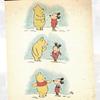
Her final boss↙️…. (I’ve had this pic in my camera roll for years now, and I finally get to use it🤗)
2026-03-10 21:25:51
141
To see more videos from user @kinicoyne, please go to the Tikwm
homepage.


