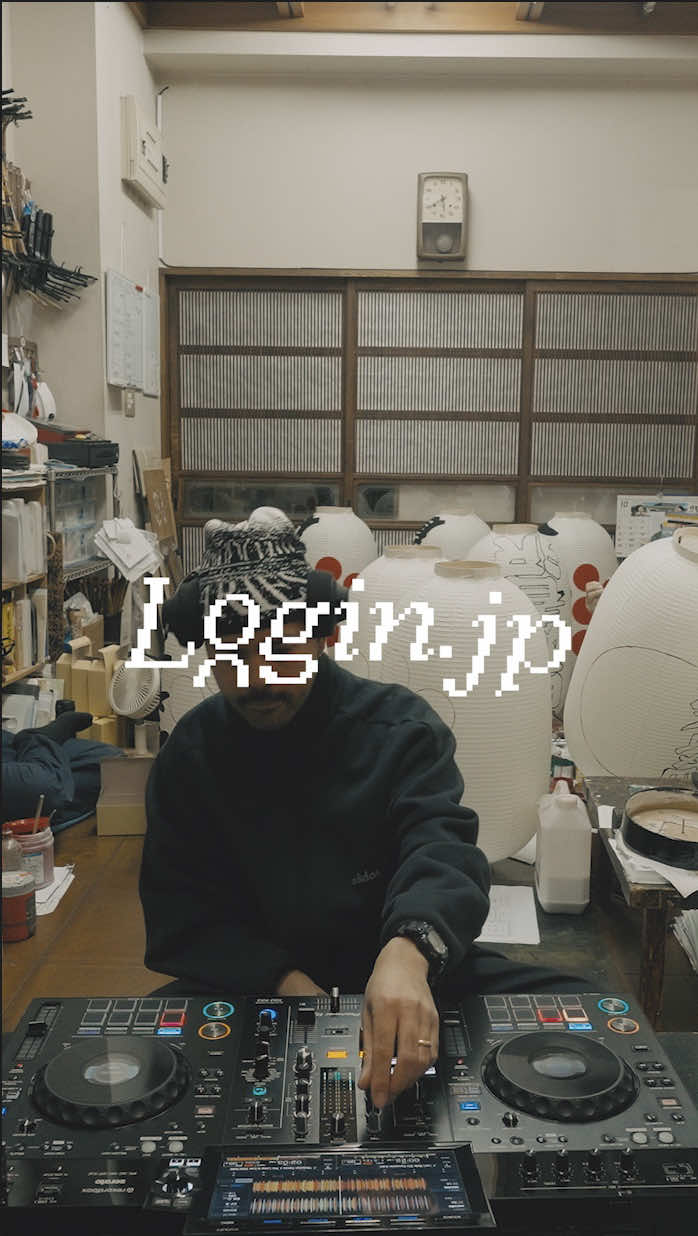
@unkowwn76: Are waualaah😍#fyyyyyyyyyyyyyyyy

𝒜ℛ.♥️
𝒜ℛ.♥️
Open In TikTok:
Region: IQ
Thursday 16 April 2026 22:16:07 GMT
55384
5118
113
1110

Music

Download

Comments

sanaaa11223
sanaaa11223 :
Drsta vidd ldaf co post km?
2026-06-09 21:49:07
1
barwari67.x
waruu🖤 :
🔥😮‍💨
2026-04-18 21:12:09
5
n1kar_4
𝓝’メ𝟶 :
Upa 7all…😂
2026-04-19 03:08:33
4
ruya.092
ruya.092 :
ما دئ جل وان جاڤا كه ين ئه وئن دلئن بئ گونه هـ سه ردا دبه ن🖊🎼
2026-05-11 14:00:15
3
dana._._.24
𝒟𝒜𝒩𝒜•24 :
bree nave strane😍
2026-04-21 16:50:08
2
ray9an0
【 𝙍𝙖𝙮𝙖𝙣 】 :
2026-04-19 08:23:28
3
mamokochar8
Mamo98💘 :
Are wala 👑❤️❤️
2026-04-19 21:44:24
1
To see more videos from user @unkowwn76, please go to the Tikwm homepage.

Other Videos

FULL SET WITH MILES MEDINA ON YOUTUBE  Chōchin, or traditional Japanese lanterns, have kept Japan’s nights alive for centuries. Built from washi stretched over split bamboo ribs, they compress, expand, travel, and endure. Their structure is simple, yet innovative: a spiral of bamboo shaved thin enough to flex, a paper skin that breathes with humidity, and a frame that folds instantly to be brought anywhere. Even each brushstroke on a chōchin mattered. Characters were drawn in bold Edo lettering to be read from afar while crests and symbols announced lineages. Before neon, before LED, these glowing symbols of the night lit everything from temple paths, merchant stalls, traveling performers, and night watchmen on patrol. At the center of that tradition stands Namidabashi Ōshimaya, a lantern workshop founded in 1913 in Minami-Senju, Tokyo. For over a century, they’ve shaped and painted chōchin by hand, preserving Edo-style lettering, family-crest motifs, and playful traditional illustrations while still adapting the craft to the ever-changing city. Today, the third and fourth generation carry that legacy forward in their studio, lined with drawers of brushes worn smooth by time, painting names, crests, dedications, and scenes onto three dimensions of washi. They evolve to keep the craft alive, creating modern reinterpretations, collaborating with designers, and even offering workshops where visitors can paint their own lanterns and feel the history behind every movement.  提灯は、日本の夜を何世紀にもわたって照らし続けてきた灯りである。和紙を割竹の骨組みに張っただけの、シンプルでありながら驚くほど機能的な構造。薄く削られた竹は螺旋を描いてしなやかに曲がり、紙は湿度に合わせて呼吸し、必要なときには一瞬で畳んでどこへでも持ち運べる。そこに施される一筆一筆にも意味が宿る。遠くからでも読み取れる力強い江戸文字。家紋や紋様には、家々が紡いできた記憶が刻まれていた。ネオンもLEDもない時代、提灯は寺の参道や商家の軒先、旅芸人の一座、夜回りの巡回路まで、さまざまな夜の景色をやさしく照らしていた。 その伝統の中心に立つのが、東京・南千住の「泪橋大嶋屋提灯店」だ。1913年創業のこの老舗工房は、100年以上にわたり、手作業で骨を組み、和紙に絵を描き、提灯の文化を守り育ててきた。江戸文字、家紋、遊び心ある図柄、変わりゆく都市の中にあっても、代々受け継がれた筆致は揺るがない。現在は三代目と四代目が工房を継ぎ、長年使い込まれた道具たちが並ぶ引き出しに囲まれながら、提灯を一つ一つ丁寧に製作している。現代の暮らしに寄り添う新しいあり方として、デザインとのコラボレーションや、来訪者が絵付けを体験できるワークショップも開いている。 #tokyo #japan #dj #nujabes #hiphop
FULL SET WITH MILES MEDINA ON YOUTUBE Chōchin, or traditional Japanese lanterns, have kept Japan’s nights alive for centuries. Built from washi stretched over split bamboo ribs, they compress, expand, travel, and endure. Their structure is simple, yet innovative: a spiral of bamboo shaved thin enough to flex, a paper skin that breathes with humidity, and a frame that folds instantly to be brought anywhere. Even each brushstroke on a chōchin mattered. Characters were drawn in bold Edo lettering to be read from afar while crests and symbols announced lineages. Before neon, before LED, these glowing symbols of the night lit everything from temple paths, merchant stalls, traveling performers, and night watchmen on patrol. At the center of that tradition stands Namidabashi Ōshimaya, a lantern workshop founded in 1913 in Minami-Senju, Tokyo. For over a century, they’ve shaped and painted chōchin by hand, preserving Edo-style lettering, family-crest motifs, and playful traditional illustrations while still adapting the craft to the ever-changing city. Today, the third and fourth generation carry that legacy forward in their studio, lined with drawers of brushes worn smooth by time, painting names, crests, dedications, and scenes onto three dimensions of washi. They evolve to keep the craft alive, creating modern reinterpretations, collaborating with designers, and even offering workshops where visitors can paint their own lanterns and feel the history behind every movement. 提灯は、日本の夜を何世紀にもわたって照らし続けてきた灯りである。和紙を割竹の骨組みに張っただけの、シンプルでありながら驚くほど機能的な構造。薄く削られた竹は螺旋を描いてしなやかに曲がり、紙は湿度に合わせて呼吸し、必要なときには一瞬で畳んでどこへでも持ち運べる。そこに施される一筆一筆にも意味が宿る。遠くからでも読み取れる力強い江戸文字。家紋や紋様には、家々が紡いできた記憶が刻まれていた。ネオンもLEDもない時代、提灯は寺の参道や商家の軒先、旅芸人の一座、夜回りの巡回路まで、さまざまな夜の景色をやさしく照らしていた。 その伝統の中心に立つのが、東京・南千住の「泪橋大嶋屋提灯店」だ。1913年創業のこの老舗工房は、100年以上にわたり、手作業で骨を組み、和紙に絵を描き、提灯の文化を守り育ててきた。江戸文字、家紋、遊び心ある図柄、変わりゆく都市の中にあっても、代々受け継がれた筆致は揺るがない。現在は三代目と四代目が工房を継ぎ、長年使い込まれた道具たちが並ぶ引き出しに囲まれながら、提灯を一つ一つ丁寧に製作している。現代の暮らしに寄り添う新しいあり方として、デザインとのコラボレーションや、来訪者が絵付けを体験できるワークショップも開いている。 #tokyo #japan #dj #nujabes #hiphop

About