@azzuracosmetics.id: DIPAKE YOGA TAPI MASIH NEMPEL MAKEUPNYA?! Compact Powder Azzura cocok dipake daily nih karena dia bisa nahan minyak di muka 😱 Gak ada ceritanya muka kelihatan kusam, tetep ringan dan ga dempul. Bener-bener workout-approved! 🧘‍♀️✨ Yuk checkout di keranjang kuning sekarang! 🛍️🛒💨 #bedak #compactpowder #bedak #powder #oilyskin

Azzura Cosmetics Official
Open In TikTok:
Region: ID
Tuesday 30 June 2026 14:00:00 GMT
1151
1
0
1

Music

Download

Comments

There are no more comments for this video.
To see more videos from user @azzuracosmetics.id, please go to the Tikwm homepage.

Other Videos

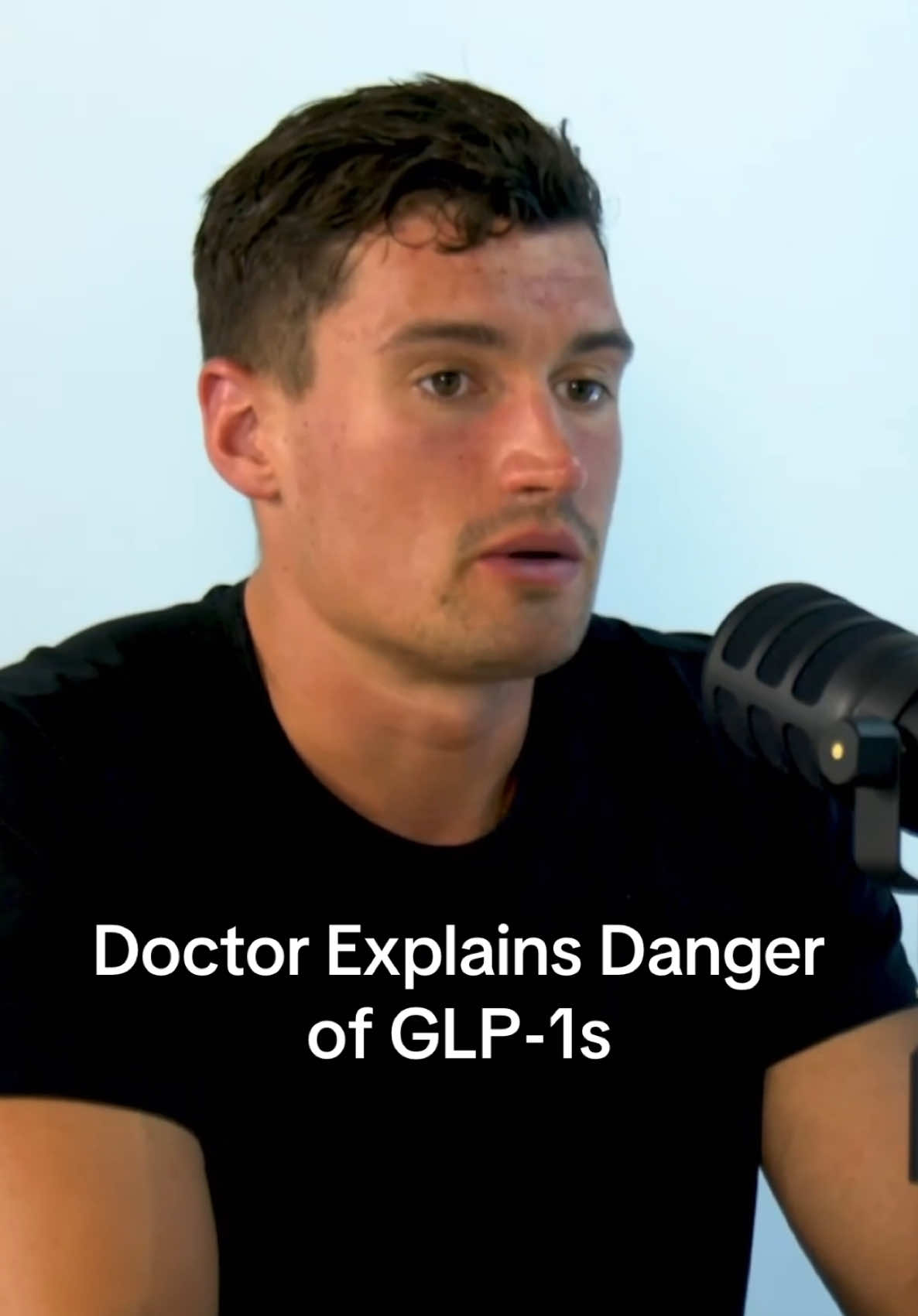
My biggest concern with GLP-1s isn’t the medication. It’s how some providers are prescribing them. These medications can be powerful tools for treating obesity and improving metabolic health. I’m not against using them when they’re appropriate. I’m against treating the prescription like it’s the entire plan. Nutrition education remains a gap in medical training. But a short appointment shouldn’t mean a patient leaves without understanding what to eat, how to meet their protein needs, or how to protect their strength. Patients deserve more than a prescription and a follow-up weigh-in. Research on semaglutide and tirzepatide shows that weight loss includes both fat and lean mass. Lean mass is not the same as muscle, and some lean mass loss happens with other approaches to weight loss, too. These findings are a reason to support patients properly, not to scare them away from effective treatment. That support should include an individualized protein target, adequate nutrition, resistance training, and follow-up that looks beyond the scale. Eating more protein matters, but it does not replace the need to challenge your muscles. As a physician, I’m not just thinking about the next five pounds. I’m thinking about the next five years. I want patients losing fat while protecting the strength and function they’ll need long term. I don’t want muscle preservation to become a conversation we have only after someone has lost strength. This isn’t about blaming patients for taking medication. It’s about expecting providers to offer a complete plan. Prescribing the medication should be part of the care, not the end of it. #GLP1 #MetabolicHealth #MuscleHealth #Protein #WeightLoss

About