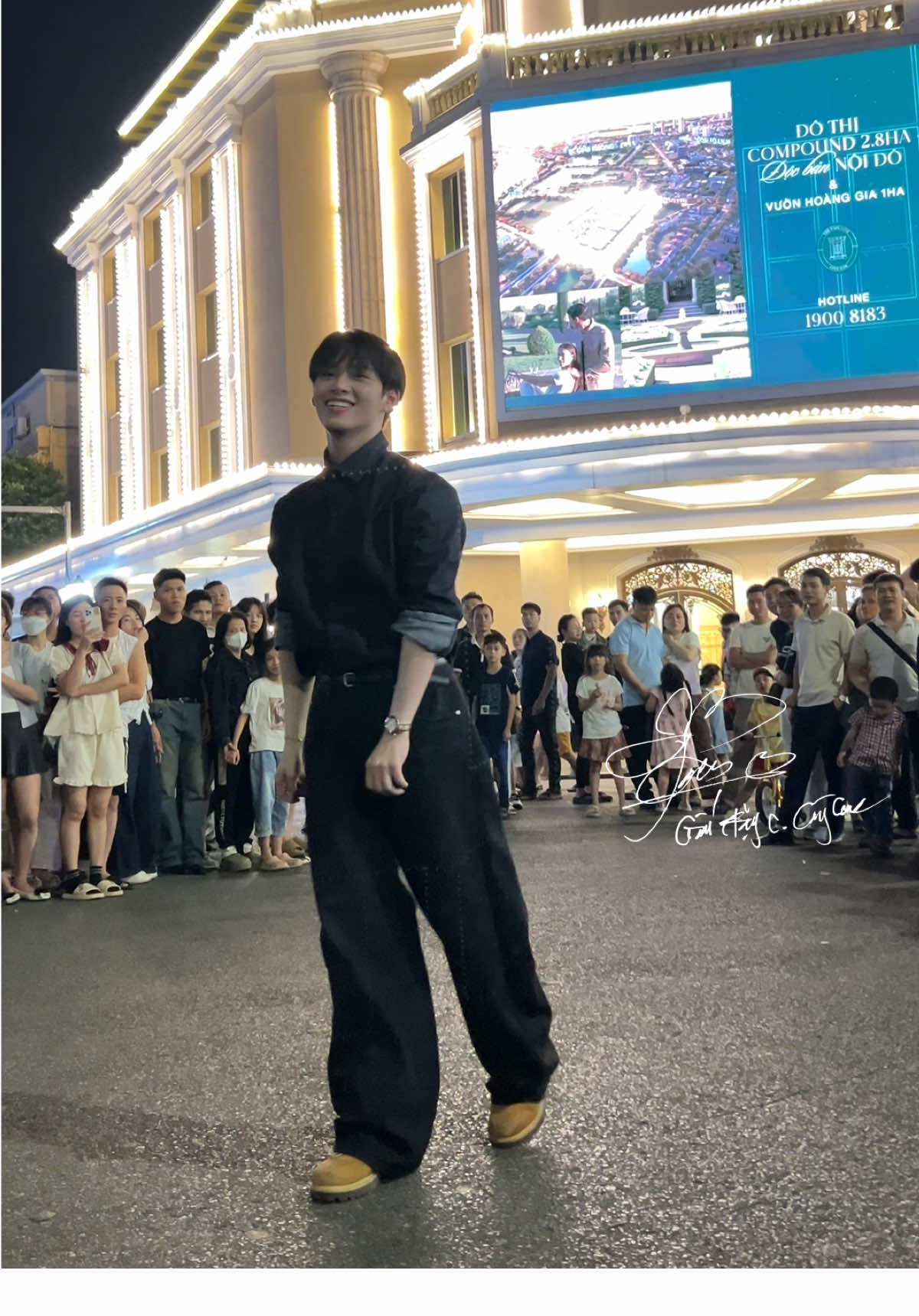
@kimxinh92: Ao sơ mi nữ tay dài kiểu dáng hàn quốc, chất vải thô hàn cotton cao cấp mềm mịn mát K9923 T...#xuhuongtiktok #maumoihottrend #tiktokshop #tiktokshopcrossborder_seasales

Xinh Chốt Đơn
Xinh Chốt Đơn
Open In TikTok:
Region: VN
Friday 03 July 2026 22:38:18 GMT
51
0
0
2

Music

Download

Comments

There are no more comments for this video.
To see more videos from user @kimxinh92, please go to the Tikwm homepage.

Other Videos

The Kwebbelkop Laugh (often spelled Kwebblekop) refers to an iconic, highly exaggerated, and distinctly high-pitched wheezing laugh by Dutch YouTuber Jordi van den Bussche, better known as Kwebbelkop. Over the years, this laugh transcended his gaming videos to become a standalone auditory meme used across TikTok, YouTube Shorts, and Twitch. Here is a breakdown of the meme, its origins, and its impact on internet culture. Origins of the Laugh Kwebbelkop was one of the most prominent gaming creators of the mid-2010s, building a massive audience primarily through hyper-energetic Grand Theft Auto V (GTA 5) gameplay, custom maps, and collaborations with other creators like Jelly and Slogo. Because his target demographic was younger, his commentary style was incredibly high-energy, animated, and loud. Whenever something chaotic or hilarious happened in a game, Jordi would unleash a very specific laugh: a rapid, breathless, high-pitched wheeze that sounded almost like a tea kettle or a squeaky toy losing air. While he laughed like this in hundreds of videos, the specific clip that birthed the definitive meme format came from a classic Q&A video where he reacted to fan comments and struggled to contain his amusement. The Rise as a Meme Format For a long time, the laugh was just a staple of his channel. However, as short-form video platforms like TikTok and YouTube Shorts exploded, the internet did what it does best: it detached the audio from the original context and turned it into a universal punchline. The meme typically follows a few specific structures:  The
The Kwebbelkop Laugh (often spelled Kwebblekop) refers to an iconic, highly exaggerated, and distinctly high-pitched wheezing laugh by Dutch YouTuber Jordi van den Bussche, better known as Kwebbelkop. Over the years, this laugh transcended his gaming videos to become a standalone auditory meme used across TikTok, YouTube Shorts, and Twitch. Here is a breakdown of the meme, its origins, and its impact on internet culture. Origins of the Laugh Kwebbelkop was one of the most prominent gaming creators of the mid-2010s, building a massive audience primarily through hyper-energetic Grand Theft Auto V (GTA 5) gameplay, custom maps, and collaborations with other creators like Jelly and Slogo. Because his target demographic was younger, his commentary style was incredibly high-energy, animated, and loud. Whenever something chaotic or hilarious happened in a game, Jordi would unleash a very specific laugh: a rapid, breathless, high-pitched wheeze that sounded almost like a tea kettle or a squeaky toy losing air. While he laughed like this in hundreds of videos, the specific clip that birthed the definitive meme format came from a classic Q&A video where he reacted to fan comments and struggled to contain his amusement. The Rise as a Meme Format For a long time, the laugh was just a staple of his channel. However, as short-form video platforms like TikTok and YouTube Shorts exploded, the internet did what it does best: it detached the audio from the original context and turned it into a universal punchline. The meme typically follows a few specific structures: The "Uncontrollable Wheeze" Bait: A video will show a mildly funny or completely absurd clip, and instead of the original audio, the Kwebbelkop laugh track is layered over it to force a comedic effect. The Tea Kettle / Windshield Wiper Comparison: Creators frequently pair the audio with videos of squeaky windshield wipers, scraping sneakers on a gym floor, or boiling tea kettles to mock just how mechanical and high-pitched the sound is. The "Me trying not to laugh" POV: Users post relatable videos of themselves in serious situations (like a classroom or a funeral) with the audio fading in, symbolizing an internal, uncontrollable urge to burst out laughing. Why It Became So Popular The meme's staying power comes down to its sheer absurdity. It belongs to the same family of auditory memes as the "Mutahar Laugh" (SomeOrdinaryGamers) or the "Richitas / El Risitas" contagious laugh. It is a form of "contagious laughter" irony—the sound itself is often significantly funnier than whatever video it is paired with. Even if a viewer doesn't find the visual joke funny, the sheer ridiculousness of the squeaking, breathless audio tends to trigger a reaction. While Kwebbelkop eventually transitioned away from traditional gaming videos (moving heavily into AI-generated content and virtual influencers in recent years), his literal voice from the golden era of 2010s YouTube remains immortalized as one of the definitive sound effects of modern internet #kweblekop #laugh #neice #ava #modern @tgibbins @Luke 🏎 @𝒶𝓋𝒶𝜗𝜚 @amogh

About