
blackatlaschronicles
Region: GB
Monday 31 August 2026 17:08:09 GMT
5144
240
17
73
Music
Download
Comments

excalibur :
its called Jab,Jab., not just Jab. its not pronounce grennardar, its pronounce Grenaida. (Grenada)
2026-09-01 01:40:53
1

NICHE final BOSS🕺🏾⚜️ :
nahhh didn't even tell half of the story behind it
2026-08-31 23:03:45
1

Ange Hasovercome :
Thank u for educating us
2026-08-31 22:11:53
1

topot582 :
When did this tradition first appear at the NH carnival?
2026-08-31 22:14:42
0

Child of God :
Rubbish this costume is not traditional carnival
2026-08-31 18:03:56
1

Lotte :
💖💖💖
2026-08-31 20:10:01
1
Loverboy :
💯💯💯🙏🏿😇🙏🏿💫🔥🔱
2026-08-31 22:18:03
0
NICHE final BOSS🕺🏾⚜️ :
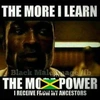
The striking blackened bodies, horns, chains and frightening appearance weren't simply intended to look evil. One interpretation is that enslaved people portrayed their oppressors as devils, turning the imagery of evil back against those who had brutalised them. In other words, the person wearing the devil wasn't necessarily representing evil — the masquerade could be a statement of resistance and defiance. � grenadagoldenpassport.com +1 That's why the Jab Jab emerging before sunrise during J'ouvert is significant. Traditionally, the darkness and frightening appearance created a kind of theatre in which the Jab Jab could confront and intimidate the "real evildoers" — a powerful reversal of the social order. � nowgrenada.com 🇹🇹 Trinidad & Tobago — the Jab and Jab Molassie Trinidad has its own closely related traditions. "Jab" comes from the French patois diable, meaning devil. The National Library describes Jab Jab as "Diable Diable," while Jab Molassie means "Molasses Devil." � nalis.gov.tt +1 The molasses connection is particularly powerful. On the sugar estates, molasses was readily available, and formerly enslaved people used it to cover their bodies as an inexpensive disguise when playing mas. Over time, this developed into the Jab Molassie tradition, with horns, chains, pitchforks, body paint and dramatic movements. � National Carnival Commission There is also a spiritual and martial-arts dimension to Trinidad's Jab Jab. Traditional rope/whip Jab incorporates African and Indian influences, and historically Jab Jab bands would meet in the streets and battle with whips while chanting lavway. Some practitioners also describe fasting, spiritual preparation and honouring ancestors as part of the tradition.
2026-08-31 23:06:54
0
To see more videos from user @blackatlaschronicles, please go to the Tikwm
homepage.


