Language
English
عربي
Tiếng Việt
русский
français
español
日本語
한글
Deutsch
हिन्दी
简体中文
繁體中文
API
Home
How To Use
Language
English
عربي
Tiếng Việt
русский
français
español
日本語
한글
Deutsch
हिन्दी
简体中文
繁體中文
Home
Detail
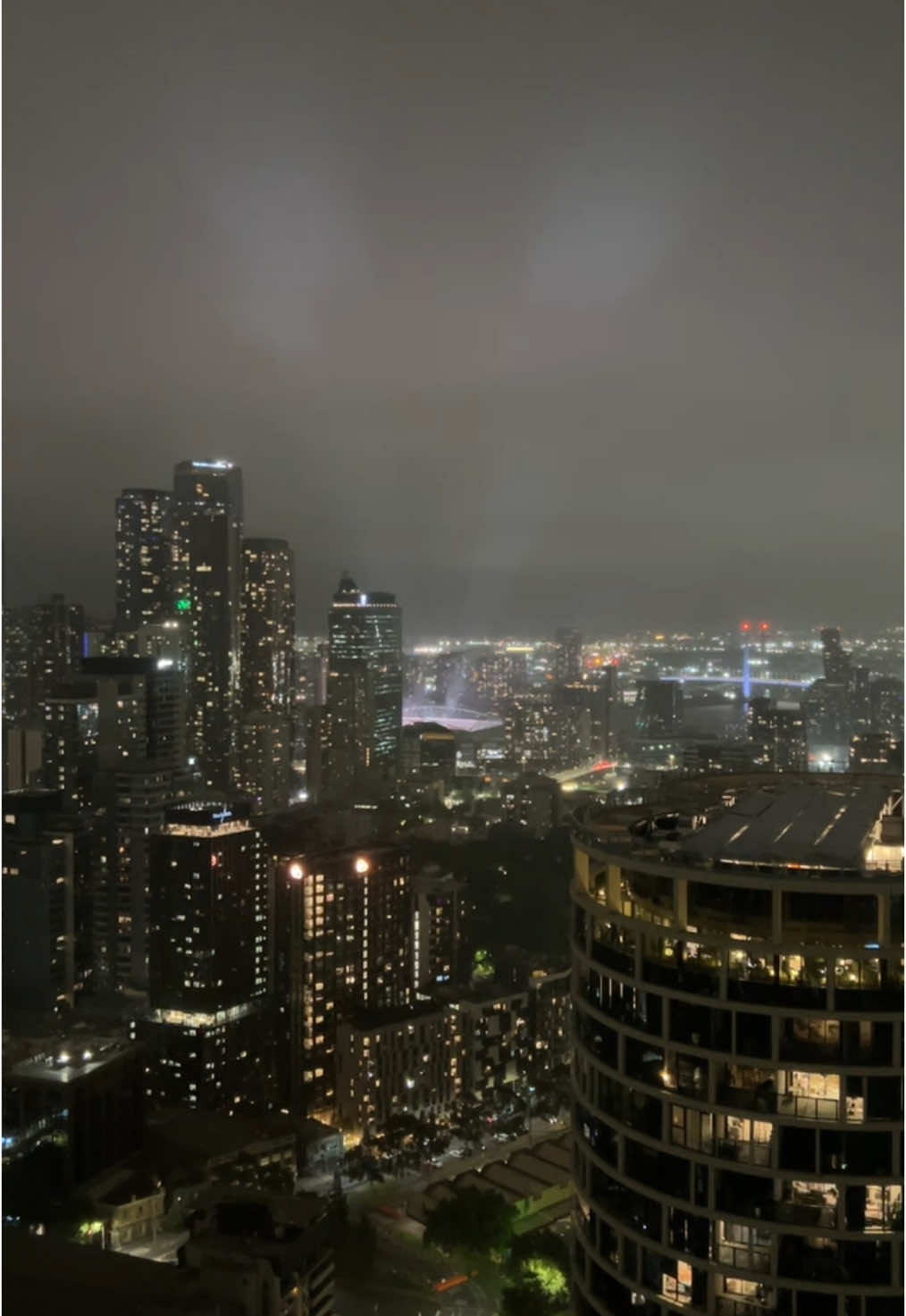
@zulivo.1: Follow for daily epic runs! 🏃♂️#subwaysurfers #viral #mobilegame #fyp #gaming
Zulivo
Open In TikTok:
Region: IT
Tuesday 06 October 2026 18:48:14 GMT
411884
2352
3
91
Music
Download
No Watermark .mp4 (
28.59MB
)
No Watermark(HD) .mp4 (
28.59MB
)
Watermark .mp4 (
28.71MB
)
Music .mp3
Comments
DR NABIHA :
🥰🥰🥰
2026-10-07 06:55:55
3
houssem :
😂😂😂
2026-10-07 17:09:51
0
Md.Sazzad Hossain :
🥰🥰🥰
2026-10-09 09:21:45
1
To see more videos from user @zulivo.1, please go to the Tikwm homepage.
Other Videos
use headphones 🎧🎵🎶 MA BOOST MUSIC 🎧🎵 🎶🎹#foryoupagе #song #dj #remix #viral
❤️🩹🫶 #foryoupage #bdtiktokofficial🇧🇩 #foryoupage❤️❤️ #unfrezzmyaccount #tiktok
نجارة سيد احمد الميالي عنون شارع مكتب الرشيد 07802600360###
Thunderstorm ahead, intense on radar. You'll pass 5 miles from it. Enough? Based on FAA handbooks (US). No. The AIM (7-1-27): "Do avoid by at least 20 miles any thunderstorm identified as severe or giving an intense radar echo. This is especially true under the anvil of a large cumulonimbus." Why 5 miles isn't enough, even in clear air: • Hail. The FAA's Aviation Weather Handbook: hailstones "may be encountered in clear air several miles from the thunderstorm." Anticipate hail "especially beneath the anvil of a large cumulonimbus." • Turbulence. AIM 7-1-26: "Severe turbulence can be expected up to 20 miles from severe thunderstorms. This distance decreases to about 10 miles in less severe storms." • Looks don't help. "There is no useful correlation between the external visual appearance of thunderstorms and the severity or amount of turbulence or hail within them." And the anvil has its own rule: "Don't attempt to fly under the anvil of a thunderstorm. There is a potential for severe and extreme clear air turbulence." So plan wide. Ask ATC for help with deviations if you need it. If you can't get around, the AIM says: "Do divert and wait out the thunderstorms on the ground." The fine print: • Hazardous turbulence "may extend to as much as 20 mi from the echo edge," so count from the edge of the echo, not its center. • Anvils can spread "hundreds of miles downwind," so a 20-mile ring doesn't always keep you out from under one. • Two intense echoes should be at least 40 miles apart before you fly between them. Weaker echoes allow less distance. • ATC reports echoes as light, moderate, heavy, or extreme (AIM 7-1-12). AC 00-24C's 20-mile rule covers heavy or extreme. • Radar shows precipitation, not turbulence. Data-linked NEXRAD can be 15 to 20 minutes old, so use it to plan around storms, not to pick a path through them. • The FAA documents say "miles" without saying nautical or statute. • Radar colors vary by display. The drawing is a sketch, not to scale. Save this for your next cross-country. Always follow your CFI and your aircraft's POH. #studdy_aviation #pilot #flighttraining #privatepilot #aviationweather #thunderstorm #aviationsafety #aviation
did somebody say fein #fein #travisscott
فاكد امي ملا علي الرميثي #علي_الرميثي #الملا_علي_الرميثي #ملا_علي_الرميثي #الرادود_علي_الرميثي_جديد #الرادود_علي_الرميثي
About
Robot
API
Legal
Privacy Policy