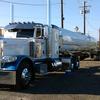
@travetthostetler98: Shavin bumpers. Watch for the sparks close to the end #peterbilt #loweredtrucksareuseless #catmota #chrome #low

travetthostetler98
travetthostetler98
Open In TikTok:
Region: US
Wednesday 28 October 2026 01:26:39 GMT
29591
6315
35
540

Music

Download

Comments

nrvous.900
Nrvous :
Why look like grain hauler but way too cool and tall stack for grain hauler - confuse ungabunga
2026-10-29 18:16:22
4
dibeau11
dibeau11 :
Watch out for ants and low crawling varmint…
2026-10-29 22:56:54
2
devin_caselman
devin_caselman :
Don’t you know there’s a fire warning…
2026-10-28 02:17:50
15
d.forsythltd
D.Forsyth Ltd :
Awesome !!! 😎🚚👇🏼💨
2026-10-30 01:12:38
1
stubby_____
stubby_____ :
no air don't care c'mon 😂
2026-10-29 10:01:37
3
moptop7476
Tom & Jerry :
Very nice rig he’s got there. You could tell that’s a proud owner/operator!
2026-10-29 23:07:39
1
marktheprotomoose
Mark :
Hawt
2026-10-28 04:02:52
4
dhubbard13
Damon Hubbard :
If there’s interstate fires we all know why 😂 too cool dude!
2026-10-28 09:51:08
8
awujaheem69
Awujaheem69 :
13.995” now
2026-10-29 01:32:17
3
mickey.leal1
Mickey Leal :
Load the wagon
2026-10-28 21:43:22
2
forged_cam
Cameron LaCount :
2026-10-29 00:38:37
4
hopperoutlaw93
zackary :
i swear you was in Joplin at the i80 truck stop on Monday. pretty sure that was you lol. made a video too
2026-10-28 05:03:23
4
legendary.who
Nazo :
Yess finally I saw someone doing this again
2026-10-28 12:35:26
3
justin_bontreger409
Slow_R :
2026-10-28 23:39:54
3
speggettioooo
Jakcob :
CHI CHI BUGG!
2026-10-28 05:05:15
4

thegenericeric
Erik :
2026-10-28 04:25:46
3
anthonyhcuriel6
anthonyhcuriel215 :
Nice 👍
2026-10-28 05:18:27
3
black_mamba_zx10r
black_mamba_zx10r :
I love this truck one of the best ones out there!
2026-10-28 01:33:35
4
haltcollin1
Collin Halteman :
She spreading sparks cmon
2026-10-28 02:10:51
3
liltonyjr95
StAiNd_AnThOnY95 :
Is that Chris old milk truck @anthonyhcuriel215
2026-10-28 05:10:39
4
tyler_everson12
Tyler Everson🦆 :
😎
2026-10-29 00:55:02
3

arthursmith0284
arthursmith0284 :
🔥😎
2026-10-28 20:33:30
3
gray.lyon8
Griddy :
@Ashton Graber
2026-10-28 14:05:00
3

731sacha
731Sacha :
[Feuer][Feuer][Feuer]
2026-10-28 11:51:28
3
To see more videos from user @travetthostetler98, please go to the Tikwm homepage.

Other Videos

The Tigris and Euphrates move through the country like two long veins, carrying water from the mountains of the north down to the flat southern plains before they join at the Shatt al-Arab and slide toward the Gulf. Along those rivers, some of the oldest cities in the world took shape. Ur, Uruk, Babylon, Nimrud, Nineveh, Hatra. Mudbrick walls, ziggurats, cuneiform tablets, cylinder seals, laws carved in stone, poems about gods and kings, ledgers of barley and wool. Mesopotamia is not a distant museum label. It is layered into the soil, under roads, under fields, under new buildings that keep rising over old ground. Baghdad carries another kind of weight, the Abbasid capital of the House of Wisdom, of translation and astronomy and medicine, of a round city at its center, of markets and scholars and poets. Mutanabbi Street still speaks in books, and the old cafes still pour tea in small glasses, sweet and dark, while backgammon pieces click against wood. Basra tastes of salt and heat and dates. The date palms once ran for miles, and the marshes spread out like a world of water and reeds, buffalo and boats, reed houses and birds. Mosul holds the memory of al-Nuri Mosque and the old city, the bridge, the stone, the river bend. Erbil rises with its citadel on a tell, streets below full of traffic and tea shops and the cool air of the mountains not far away. Najaf and Karbala draw millions, golden domes and minarets, crowds moving in black and white, pilgrims from every corner, the weight of grief and devotion. Samarra has its spiral minaret, a corkscrew of brick against the sky. The north has mountains, valleys, orchards, Kurdish music, picnics on hillsides, snow in winter, wildflowers in spring. The south has heat that presses down, dust that hangs, rivers that shrink, and nights when the air finally softens and people sit outside until late. Food in Iraq is generous and heavy and built for sharing. Masgouf, split fish propped open and grilled slowly by the river, brushed with tamarind and oil. Dolma, stuffed vines and peppers and onions and zucchini, arranged in tight rows. Kubba, crisp outside and soft inside, sometimes in soup, sometimes fried. Tashreeb, bread soaked in broth. Biryani, rice with meat and raisins and almonds. Kleicha, date-filled cookies, and qahwa poured from a dallah, cardamom and bitterness, followed by sweet tea in an istikan. The table is never small. Guests are pressed to eat more. Diwaniyas and living rooms fill with talk, politics and poetry and jokes and old stories. Maqam music stretches out, the oud and the joza and the qanun, and singers carry voices that seem to hold dust and longing and celebration at once. Poets are still remembered like national figures, al-Mutanabbi, Badr Shakir al-Sayyab, Nazik al-Malaika, and lines of verse slip into ordinary speech. The country is not one color or one voice. Arabs, Kurds, Turkmen, Assyrians, Chaldeans, Yazidis, Mandaeans, Armenians, Shabak, and others live across it, with Arabic and Kurdish and Turkmen and Syriac and Armenian spoken in different homes and neighborhoods. There are Muslims and Christians and Yazidis and Mandaeans and Jews who left and others who stayed in memory. The oil under the ground built highways and towers and also fed corruption and conflict. Power cuts made generators a second heartbeat. Checkpoints, walls, displacement, exile, camps, missing people, mass graves, the long shadow of 2003 and the years of sectarian killing and the war against ISIS. Yet life keeps reasserting itself. Markets open. Weddings happen. Schools fill. Builders rebuild.  #fypシ゚ #f #foryoupage #foryou #fyp
The Tigris and Euphrates move through the country like two long veins, carrying water from the mountains of the north down to the flat southern plains before they join at the Shatt al-Arab and slide toward the Gulf. Along those rivers, some of the oldest cities in the world took shape. Ur, Uruk, Babylon, Nimrud, Nineveh, Hatra. Mudbrick walls, ziggurats, cuneiform tablets, cylinder seals, laws carved in stone, poems about gods and kings, ledgers of barley and wool. Mesopotamia is not a distant museum label. It is layered into the soil, under roads, under fields, under new buildings that keep rising over old ground. Baghdad carries another kind of weight, the Abbasid capital of the House of Wisdom, of translation and astronomy and medicine, of a round city at its center, of markets and scholars and poets. Mutanabbi Street still speaks in books, and the old cafes still pour tea in small glasses, sweet and dark, while backgammon pieces click against wood. Basra tastes of salt and heat and dates. The date palms once ran for miles, and the marshes spread out like a world of water and reeds, buffalo and boats, reed houses and birds. Mosul holds the memory of al-Nuri Mosque and the old city, the bridge, the stone, the river bend. Erbil rises with its citadel on a tell, streets below full of traffic and tea shops and the cool air of the mountains not far away. Najaf and Karbala draw millions, golden domes and minarets, crowds moving in black and white, pilgrims from every corner, the weight of grief and devotion. Samarra has its spiral minaret, a corkscrew of brick against the sky. The north has mountains, valleys, orchards, Kurdish music, picnics on hillsides, snow in winter, wildflowers in spring. The south has heat that presses down, dust that hangs, rivers that shrink, and nights when the air finally softens and people sit outside until late. Food in Iraq is generous and heavy and built for sharing. Masgouf, split fish propped open and grilled slowly by the river, brushed with tamarind and oil. Dolma, stuffed vines and peppers and onions and zucchini, arranged in tight rows. Kubba, crisp outside and soft inside, sometimes in soup, sometimes fried. Tashreeb, bread soaked in broth. Biryani, rice with meat and raisins and almonds. Kleicha, date-filled cookies, and qahwa poured from a dallah, cardamom and bitterness, followed by sweet tea in an istikan. The table is never small. Guests are pressed to eat more. Diwaniyas and living rooms fill with talk, politics and poetry and jokes and old stories. Maqam music stretches out, the oud and the joza and the qanun, and singers carry voices that seem to hold dust and longing and celebration at once. Poets are still remembered like national figures, al-Mutanabbi, Badr Shakir al-Sayyab, Nazik al-Malaika, and lines of verse slip into ordinary speech. The country is not one color or one voice. Arabs, Kurds, Turkmen, Assyrians, Chaldeans, Yazidis, Mandaeans, Armenians, Shabak, and others live across it, with Arabic and Kurdish and Turkmen and Syriac and Armenian spoken in different homes and neighborhoods. There are Muslims and Christians and Yazidis and Mandaeans and Jews who left and others who stayed in memory. The oil under the ground built highways and towers and also fed corruption and conflict. Power cuts made generators a second heartbeat. Checkpoints, walls, displacement, exile, camps, missing people, mass graves, the long shadow of 2003 and the years of sectarian killing and the war against ISIS. Yet life keeps reasserting itself. Markets open. Weddings happen. Schools fill. Builders rebuild. #fypシ゚ #f #foryoupage #foryou #fyp

About