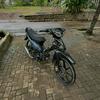
@anakebudevi: 🤩 #5tpgank🚀 #deprokstyle #5tpgank #5tpmenolakpunah #303style

𝘿𝘼𝙋𝘼|𝙆𝙇𝙐𝙉𝙏𝙄𝙉𝙂
𝘿𝘼𝙋𝘼|𝙆𝙇𝙐𝙉𝙏𝙄𝙉𝙂
Open In TikTok:
Region: ID
Friday 13 November 2026 23:12:39 GMT
9139
1366
15
24

Music

Download

Comments

alfisyfb
kipli ⚡︎ :
fo
2026-11-14 00:48:22
0
ehluanjingg__
19Riyantitutt.____ :
uk ban brp mas?
2026-11-14 05:59:02
0
azkaaanakbaik16
A :
itu v1 atau v2 kak
2026-11-16 00:51:00
0
daffapratama824
Daffa :
velg uk 1.40 apa 1.60 bg
2026-11-13 23:28:04
0

pemaincadangan720
ifan :
yang di tengteng jupiter yang di tangtang super kips😁
2026-11-15 12:50:26
0
mikolagie
𝓴𝓸𝓸★ :
leheran pake apa mas?
2026-11-14 12:37:48
0

yauchi21
kyy :
itu Shok depanya di turunin ga bg
2026-11-14 15:46:02
0
nk_projek
NK :
info nyored sam
2026-11-14 05:50:14
0
rhiyuqihilmi_maghani.1
Ahong :
fb maseee
2026-11-14 08:53:27
0
mukris.motor
mukris vega anti selip tp5 :
follback mas
2026-11-14 15:57:46
0
avando.aditya
Avando Aditya :
@ipannn @🫥
2026-11-14 04:59:40
0
To see more videos from user @anakebudevi, please go to the Tikwm homepage.

Other Videos

On September 2, 1945, after Japan’s surrender in World War II, Hồ Chí Minh stood in Ba Đình Square in Hanoi and declared Vietnam’s independence from French colonial rule. At the very start of his speech, he quoted directly from the U.S. Declaration of Independence: “All men are created equal. They are endowed by their Creator with certain inalienable rights. Among these are Life, Liberty, and the pursuit of Happiness.” Hồ Chí Minh believed the United States, born from an anti-colonial revolution, would support Vietnam’s right to self-rule. He wrote at least eight letters to President Harry Truman and the U.S. government between 1945 and 1946, asking for support against the return of French colonial forces. “We beg that the United States, as a signatory of the Atlantic and San Francisco charters, support us in our independence and oppose the re-establishment of colonial control.” — Hồ Chí Minh, letter to Truman (1945) Truman never replied. The U.S. backed French efforts to recolonize Vietnam. In 1946, France launched a military invasion of Hanoi. The First Indochina War began. It lasted until 1954, ending with France’s defeat at Điện Biên Phủ — but by then, the U.S. had already begun stepping in. So while many Americans see Hồ Chí Minh as a communist adversary, in the beginning, he saw America as a potential ally — a democratic model. But when the U.S. sided with colonialism, the path forward became war. ⸻ Sources: – Ho Chi Minh: A Life by William Duiker – U.S. National Archives: Letters from Hồ Chí Minh to Truman – Vietnam National Museum of History – The Pentagon Papers – PBS: Vietnam: A Television History #fyp #fypシ #explore #explorepage #vietnam #hochiminh #vietnamhistory #anticolonial #decolonize #historytok #truthmatters #everydayvietnam #asiahistory #coldwarhistory

About